Medieval and fantasy

Medieval and Fantasy Ambience Videos for TV & Screens

Medieval and fantasy ambience are related, but they are not the same theme. Medieval scenes draw on historical architecture, materials and settings, while fantasy uses or transforms some of those codes to create imagined realms, landscapes and places. Both can make a screen feel like an old-world window rather than a normal display.

A fantasy window can suggest a castle chamber under rain, a quiet tavern warmed by candles, a village street after dark, a forest edge in mist or a broad landscape seen through old glass. These settings do not need battles, characters or a plot. Slow weather, stable architecture and a few carefully placed lights are enough to create a believable world beyond the frame.

This mood works especially well on a living-room TV, a projector wall, a bedroom screen, a reading corner or an atmospheric creative space. It can also support a gaming or tabletop room without becoming gaming content: the screen remains part of the decor before, during and after any activity.

Window Ambience Studio creates original long-form 3D scenes for fake windows and calm screen ambience. The focus stays on slow movement, restrained sound and compositions that can remain present for an evening. Medieval and fantasy details add character, while the room itself still decides how quiet, warm or cinematic the result feels.

Old-world calm

Why medieval and fantasy ambience works on a screen

Medieval and fantasy scenes feel immersive because they build a complete outside world from architecture, weather, depth and light. A stone arch establishes the near frame, rain or mist fills the middle distance, and rooftops, trees or mountains carry the eye farther away. Those layers help a flat panel feel less like electronics and more like an opening with a place behind it.

The materials also suit quiet interior use. Candlelight on wood, firelight against stone, old glass, wet cobbles and distant windows bring warmth without requiring a bright image. Small highlights can remain visible while most of the scene stays dark and calm, which makes the theme easier to integrate with bookshelves, textured fabrics, warm lamps and evening rooms.

Compared with city ambience, the mood is less modern and more escapist. Compared with forest ambience, it adds human shelter: castles, taverns, cottages, halls and windows imply that the landscape is inhabited. That balance between a protected interior and a larger world outside is what gives fantasy window ambience its particular depth.

The strongest scenes remain slow and stable. They should feel inhabitable, not like a trailer, a game cutscene or a theme-park image waiting for something dramatic to happen. Gentle rain, smoke, moving leaves, firelight or distant weather provide enough life while allowing reading, conversation, rest or creative work to remain the real activity in the room.

Choose the fantasy mood

Types of medieval and fantasy ambience

A scene can remain clearly medieval, move into fantasy or bring the two worlds close together through its architecture, weather and light.

Castle window ambience

Stone walls, tall windows, distant mountains and rain, snow or moonlight create a grand view without requiring an aggressive scale. Castle ambience works best when the camera stays fixed and the weather carries the movement, making it suitable for projector walls, reading rooms, quiet gaming spaces and cinematic living rooms.

Medieval tavern ambience

A tavern scene relies on candlelight, firelight, wooden beams and weather beyond the door or window. Kept calm rather than noisy, it can support dinner, conversation, reading, tabletop evenings and relaxed social spaces where the screen should feel warm and inhabited.

Fantasy village window

Small houses, lanterns, wet cobbles, rooftops and distant windows suggest village life without needing visible characters or a story. This gentler scale fits bedrooms, living rooms and seasonal evenings when a castle would feel too formal but an ordinary city view would feel too modern.

Forest realm ambience

A medieval or fantasy window facing ancient trees, mist, rain and warm interior light keeps the theme closer to nature. It is a useful bridge toward forest ambience and works well for rooms that need depth and old-world character without a strong castle or village setting.

Fantasy scenes

Medieval and fantasy ambience videos

The current catalogue includes a dedicated rainy gothic castle window and several nearby scenes whose ruins, forest depth, candlelight and weather fit a quieter fantasy room. They are presented under their real YouTube titles, with no invented tavern or village videos.

Use the castle scene for the clearest medieval mood, then compare it with cinematic ruins, a sheltered rainy forest and a candlelit rainy interior. Each option keeps the long-form rhythm and stable framing needed for screen ambience.

Rainy Gothic Castle Window Ambience ambience video thumbnail

Medieval ambience

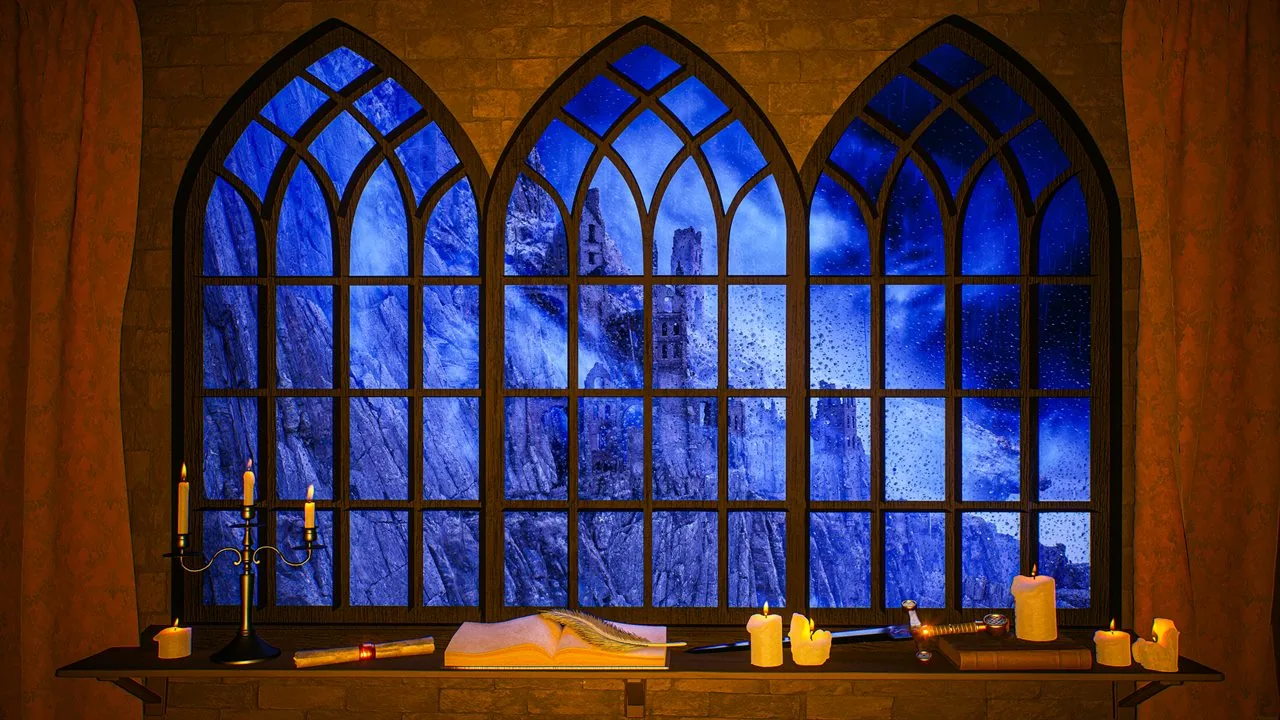
Rainy Gothic Castle Window Ambience

Rainy Gothic Castle Window Ambience is the collection's clearest old-world scene. Blue night weather, stone architecture and candlelit details create a protected castle view for reading rooms, dark bedrooms and projector-based fake windows.

Watch on YouTube
Ocean Ruins Cave Ambience ambience video thumbnail

Ocean / ruins ambience

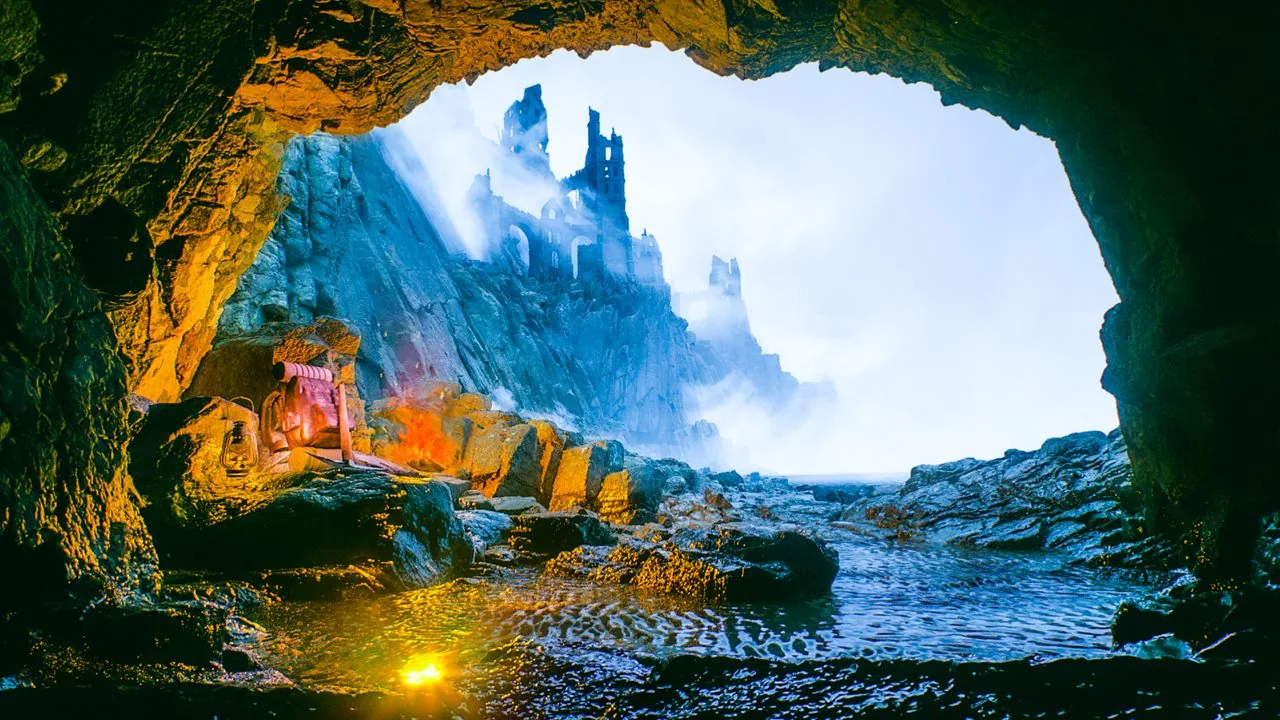
Ocean Ruins Cave Ambience

Ocean Ruins Cave Ambience expands the fantasy mood toward mist, water and distant ruins. It suits creative spaces and projector walls that can carry a cinematic horizon without needing a literal domestic window.

Watch on YouTube
Rainy Forest Window Ambience ambience video thumbnail

Rain ambience

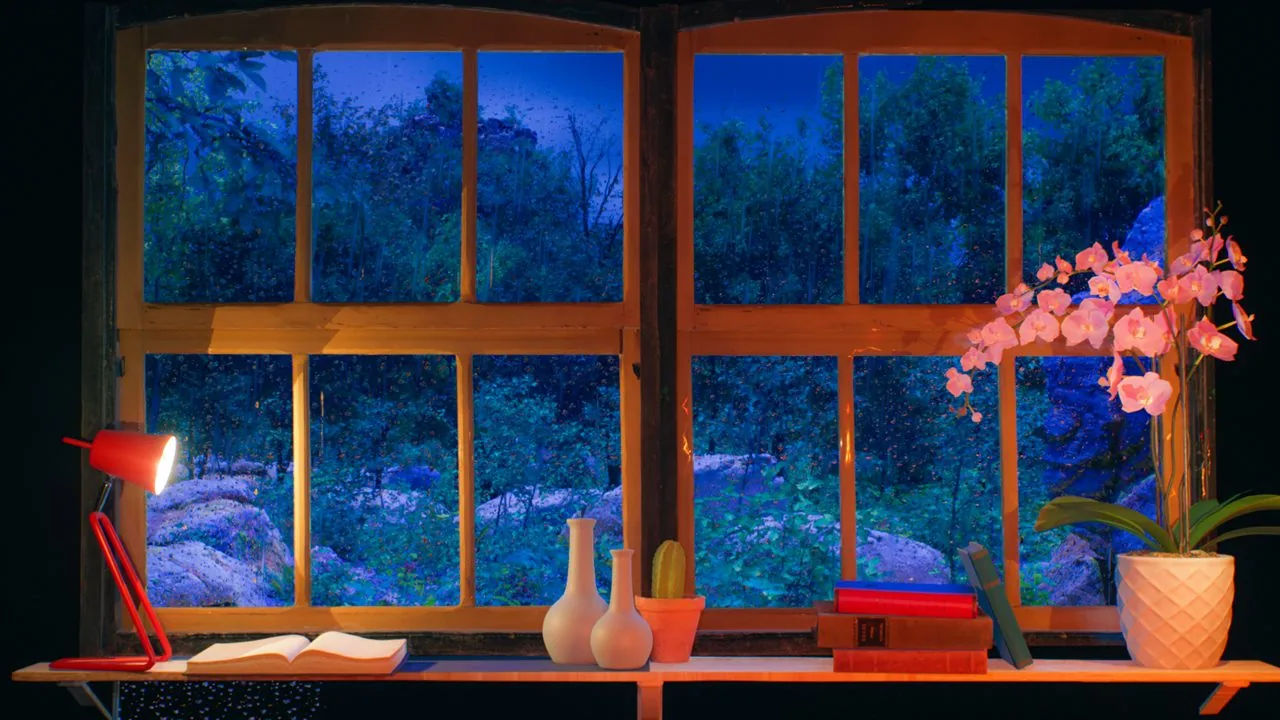
Rainy Forest Window Ambience

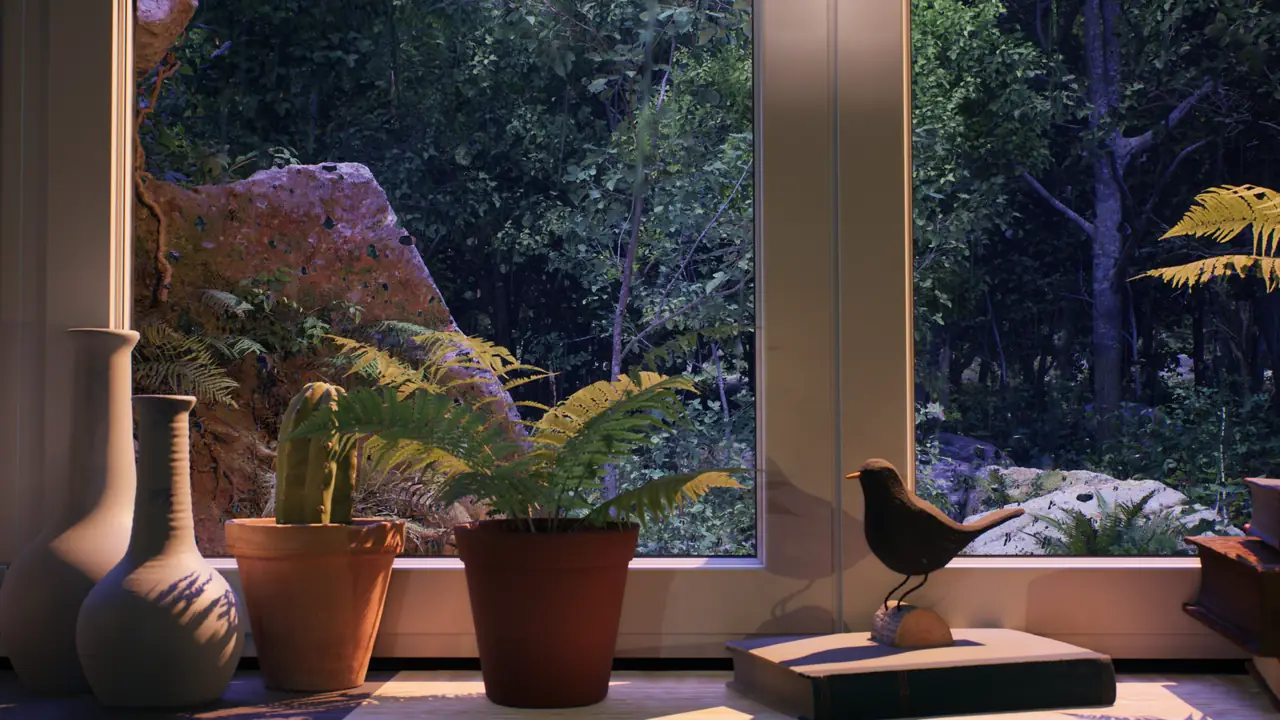
Rainy Forest Window Ambience keeps the imagined world softer and more nature-led. Books, plants, warm light and a blue forest view work well in reading corners or rooms that want fantasy atmosphere without monumental architecture.

Watch on YouTube
Rainy City Window with Candlelight Ambience ambience video thumbnail

City window ambience

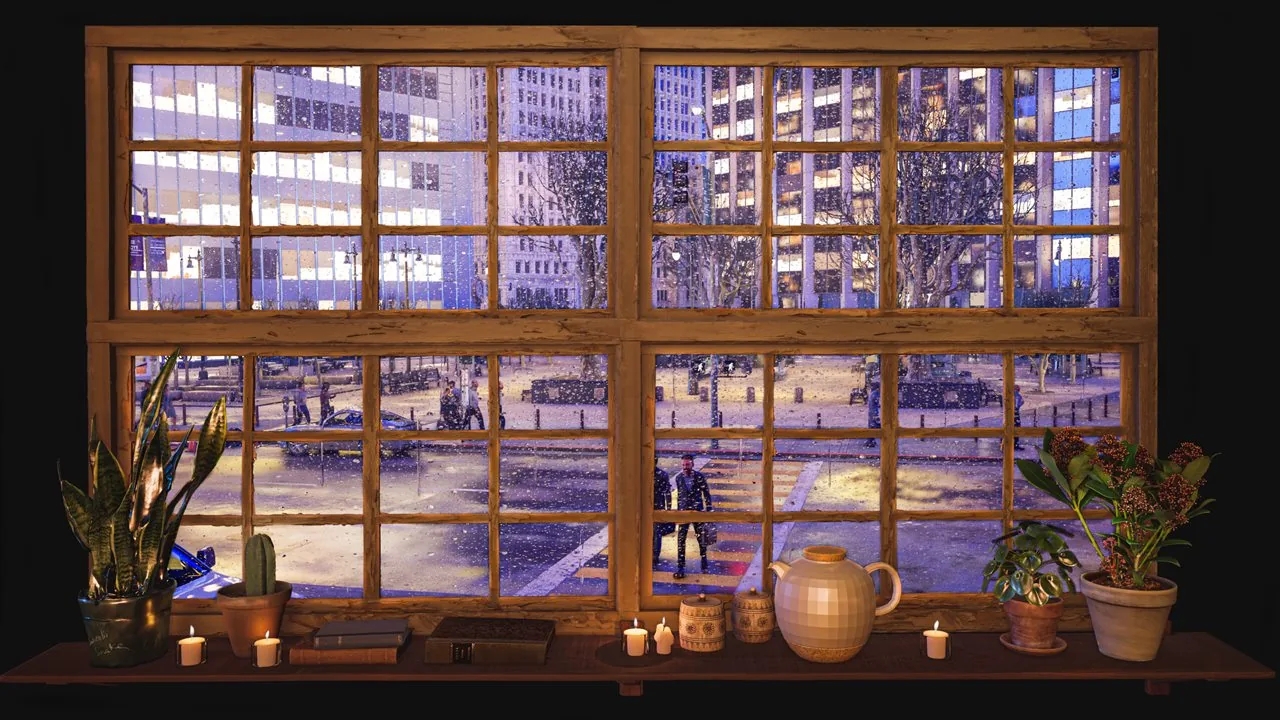
Rainy City Window with Candlelight Ambience

Rainy City Window with Candlelight Ambience is modern rather than medieval, but its rain, amber light and sheltered interior show how candlelit warmth can support a tavern-like room mood without claiming a setting that the video does not contain.

Watch on YouTube

Room ideas

Best rooms for medieval and fantasy ambience

Fantasy ambience works best when the surrounding room supports the illusion instead of fighting it with overly bright light or modern visual noise.

Living room

Use medieval or fantasy ambience in the evening with warm lamps, bookshelves, wood and textured fabrics around the screen. A castle view can make the room feel broader and more cinematic, while candlelit or village-like moods feel cozier and quietly inhabited. Lower the display until its highlights sit beside the real lamps rather than overpowering them.

Bedroom

Choose darker rainy castle, forest or village-facing scenes and reduce brightness before the wind-down period. Keep sound low or muted, and use a sleep timer if the display should not remain on overnight. Very bright magical colors usually work against rest; weather, stone and warm interior points are easier to live with.

Reading corner or library

This is one of the strongest uses for an old-world screen. Candlelight, stone, rain and distant architecture fit naturally beside books, a focused reading lamp and a comfortable chair. Even a small monitor can make a compact corner feel deeper when it is framed like a window rather than treated as a second television.

Gaming room or tabletop space

A slow fantasy scene can establish atmosphere before a session, remain behind conversation or continue after play without competing for attention. Keep the camera stable and the sound restrained. The same setup should still work as everyday decor, a music background or a quiet creative-room view when no game is running.

Simple setup

Setup tips for medieval or fantasy ambience

A convincing fantasy window depends less on maximum brightness than on scale, warmth and restraint.

Use warm and low room lighting

Choose warm side lamps, indirect light or carefully placed candles where they can be used safely. Cold overhead lighting tends to flatten stone and wood while making the display look separate from the room. A few low sources help candlelight, rain and firelit details blend with the real interior.

Keep the window scale believable

A TV or projected image should feel like an opening, not a giant wallpaper. Leave negative space around the frame and use curtains, plants, shelves or furniture to connect the image to the wall. On a projector, test a smaller rectangle before assuming that full-wall scale will feel more immersive.

Avoid overly vivid picture modes

Start with cinema, filmmaker or a warm mode when available. Reduce saturation and brightness if blue night tones or amber highlights begin to look artificial. Dark stone should retain texture, wood should remain natural and candlelight should glow without becoming orange neon.

Let the sound support the room

Rain, fire, distant wind, soft interior tone or forest ambience should stay below conversation level. Muted playback also works when the image is the main purpose. For reading and sleep routines, use only enough sound to create continuity and avoid sudden peaks or busy tavern noise.

For a calmer nature-led mood without castles or taverns, continue with the Forest Ambience guide .

For warmer interior scenes built around candles, lamps and firelight, use the Candlelight Ambience guide .

For wall choice, screen scale and ambient-light control, use the fake window projection guide .

If the old-world mood you want is mostly weather-led, the Rain Ambience guide offers a broader set of rainy screen ideas.

Frequently asked questions

Medieval and fantasy ambience FAQ

Short answers for using quiet fantasy and medieval scenes on TVs, monitors and projector walls.

What is the difference between medieval and fantasy ambience?

Medieval ambience draws on places, objects and materials associated with the Middle Ages, including castles, taverns, villages, stone and timber. Fantasy ambience may borrow some of those codes, but places them in an imagined world and can add landscapes, realms or elements that are not intended to be historically faithful.

Is fantasy ambience good for sleep or reading?

It can be when the scene is slow, dark enough and visually restrained. Rainy castle windows, quiet villages, candlelit rooms and forest-facing views are generally easier to use than bright magical or action-heavy images. Lower the screen, keep sound minimal and use a timer for sleep.

Does medieval or fantasy ambience work better on a TV or a projector?

Both work. A TV is easier for bedrooms, living rooms and reading corners. A projector can feel more architectural when the image is framed at a believable window size, the wall is uncluttered and competing room light is controlled.

What makes fantasy ambience different from forest or candlelight ambience?

Forest ambience is more nature-led, while candlelight ambience is more interior and intimate. Medieval ambience emphasizes old architecture and materials; fantasy can reuse those ingredients to suggest a larger imagined place beyond the screen.

Choose your scene

Open a quieter fantasy world on your screen.

Explore the full video catalogue or watch the official long-form scenes on YouTube to choose a medieval mood, a fantasy mood or something close to both.