
Layer the lighting
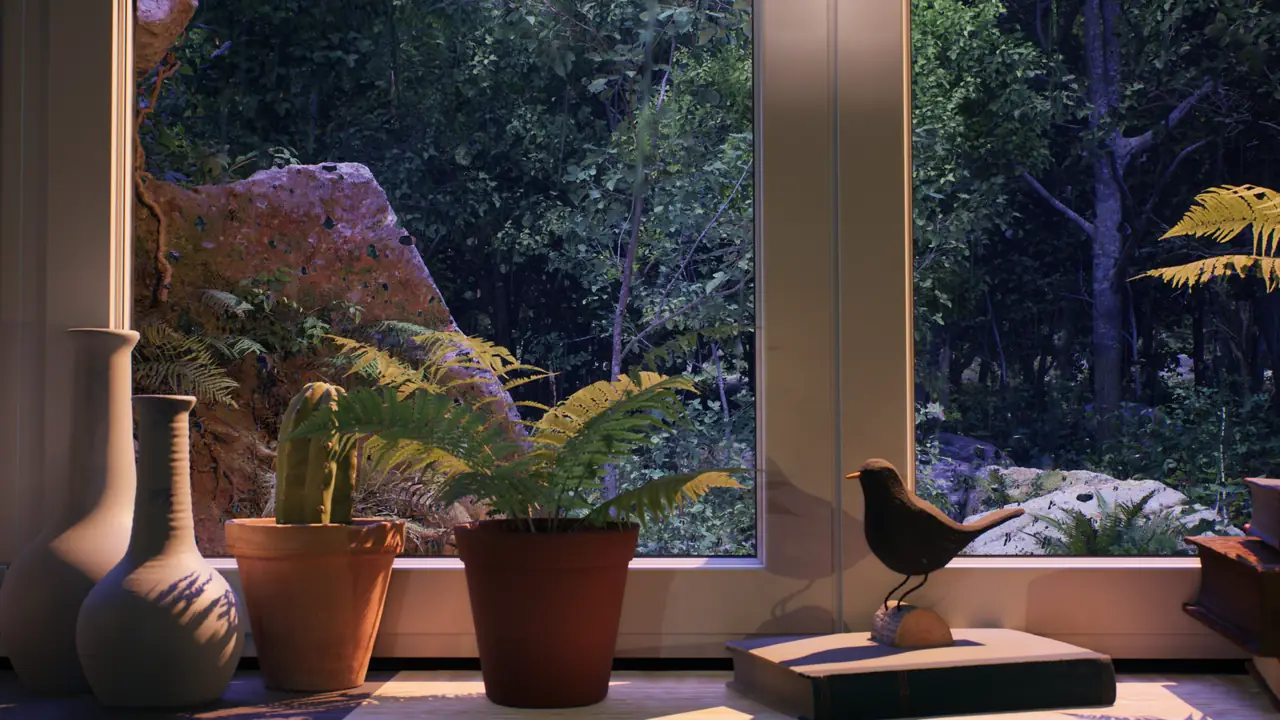
Combine indirect ceiling lighting, wall lights and low lamps instead of relying on one bright overhead source. Warm, dimmable light creates depth and gives the room more than one visual plane.
Windowless room ideas
A windowless room can still feel calm, comfortable and visually spacious. The most effective approach combines thoughtful lighting, reflective surfaces, natural materials and a calm focal point where guests can naturally rest their eyes.
The challenge
Natural light gives a room changing brightness, depth and a visible connection to the outdoors. When those cues are missing, even a well-furnished room can feel flatter or more confined than its actual dimensions.
This is common in interior hotel rooms, basement wellness spaces, massage rooms and waiting areas. The goal is not to pretend that a real window exists. It is to reduce the sense of enclosure by creating layers of light, texture and visual distance.
Start with the room
A comfortable windowless room usually comes from several small improvements working together.
Combine indirect ceiling lighting, wall lights and low lamps instead of relying on one bright overhead source. Warm, dimmable light creates depth and gives the room more than one visual plane.
A mirror can reflect a lamp, artwork or virtual window scene and make the room feel broader. Position it to repeat something calm rather than expose clutter or service areas.
Light neutrals, muted greens, warm stone and soft blue tones can keep the room open without making it feel clinical. Use darker accents sparingly to create contrast.
Plants, wood, linen and tactile surfaces introduce natural references. In spaces where live plants are impractical, a simple botanical arrangement can still soften hard edges.
A virtual focal point
An existing TV, monitor or projector wall can display a slow virtual window scene instead of remaining black or showing conventional television. A slow forest, ocean or rainy window scene gives guests a sense of depth and gentle movement.
The effect works best when the screen is treated as part of the interior. Reduce its brightness, avoid fast edits and coordinate the scene with nearby lighting and materials. For larger walls, the projection guide explains how placement and room light affect the result.
Choose the view
Green depth and slow movement suit treatment rooms, wellness spaces and reading corners. Forest scenes pair naturally with wood, plants and warm neutral interiors.
A visible horizon can make an enclosed room feel more spacious. Keep the motion gentle and the sound low so the scene remains a background element.
Rain creates a sheltered feeling and works well for rooms meant to feel private, quiet and comfortable rather than bright and expansive.
Soft snowfall and a warm interior mood can make a windowless guest room feel thoughtfully designed and cozy during evening use.
Hospitality applications
Brightness, sound and scene choice should follow the guest journey rather than a single formula.
Use a calm evening view on the existing TV, supported by bedside lamps and warm materials. The screen should remain optional and easy for the guest to control.
Choose low-contrast forest or ocean imagery and avoid placing the brightest part of the image directly in the client’s line of sight during treatment.
A small monitor or soft projection can add depth without becoming a focal distraction. Muted sound or silence may be preferable during a session.
Use long-form visuals with minimal cuts so visitors are not repeatedly pulled toward the screen. Rain, forest and quiet city scenes can work as composed moving artwork.
Plan the setup
Explore the main professional page, compare screen options, browse the video library or discuss a specific venue.
See the main overview for guest rooms, treatment spaces, lounges and waiting areas.
Compare a TV, monitor and projector wall, then plan brightness, placement and sound.
Browse rain, forest, ocean, snow, city and other long-form window scenes.
Describe the venue, room type and intended use to Window Ambience Studio.
FAQ
Practical answers for hotel rooms, spa rooms and other interiors without natural light.
Use layered lighting, a restrained color palette, mirrors that reflect a calm focal point and furniture that preserves clear sightlines. A virtual window scene with visible depth can add another visual layer, especially when the screen brightness is kept subtle.
Warm whites, light stone, muted green and soft blue can keep the room open while avoiding a cold clinical effect. Test colors under the actual artificial lighting because they may look different without daylight.
Yes. When it is not being used for regular viewing, a TV can show a slow forest, rain, ocean or snowy window scene. It works best as one part of the room design rather than as a substitute for lighting or ventilation.
Sound is optional. In a private hotel room, quiet rain or nature audio may support the mood. In massage rooms and waiting areas, muted playback or very low volume is often more appropriate.
Window Ambience Studio
Use calm screen-based visuals as one part of a considered hotel, spa or waiting-room interior.