
Ocean / ruins ambience
Ocean Ruins Cave Ambience
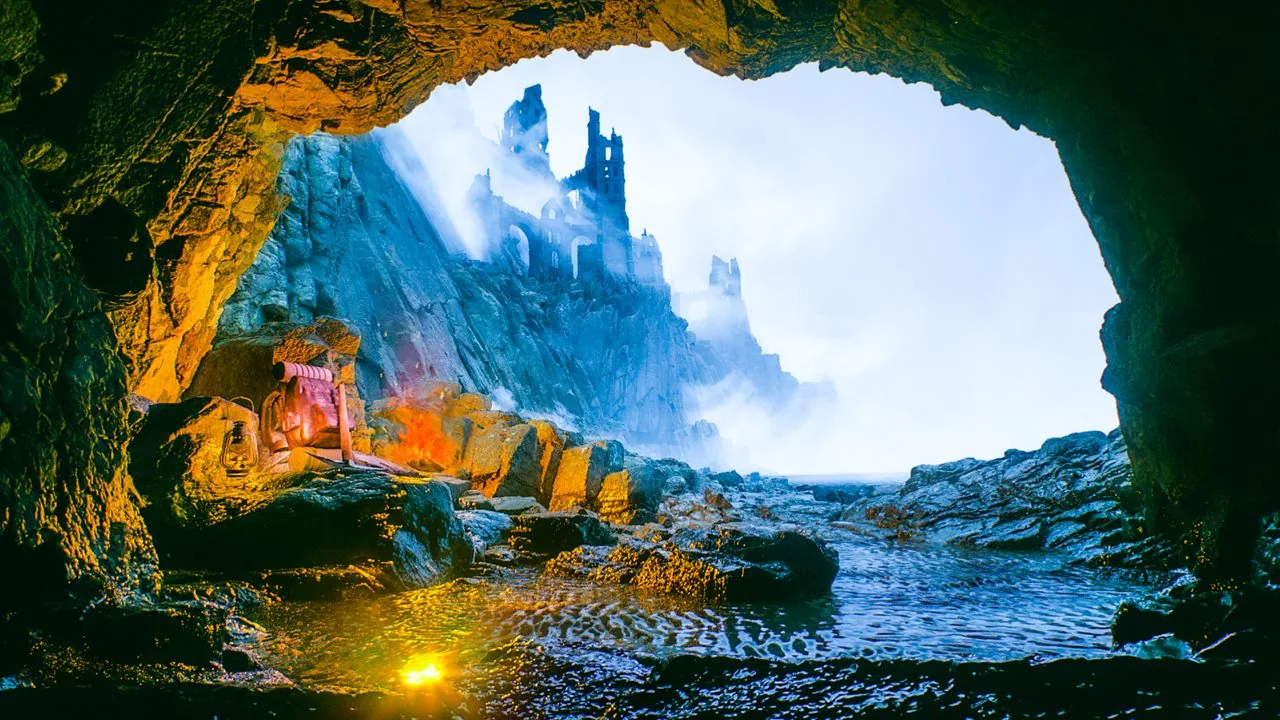
A single long-form ocean scene with a cave opening, mist, water and distant ruins for projector walls, spa rooms, home cinema corners and calm evening interiors.
Watch on YouTubeOcean ambience
Ocean ambience works well on TV and projector walls when the image creates depth without becoming visually noisy. Water, mist, and a distant horizon can make a room feel broader and calmer, especially when the screen feels like part of the interior rather than something to actively watch.
This page currently focuses on one published ocean scene: Ocean Ruins Cave Ambience. Because there is currently only one ocean video, this page focuses less on comparison and more on how to use this specific scene in spas, home cinema corners, relaxation spaces, and immersive evening interiors.
Ocean Ruins Cave Ambience is cinematic, not documentary. The cave opening, distant ruins and stylized atmosphere are intentional. The goal is not to simulate a literal coastline with naturalistic realism, but to give a screen the feeling of a calm, expansive opening with water, mist and architectural depth.
Used with restrained brightness and sound, this type of scene can soften an unused display, broaden a windowless room or support a projector wall that needs a calmer focal point than a menu screen, a slideshow or standard TV programming.
Why it works
Ocean-themed scenes usually read as open because the eye can travel further than it can in a tight interior. A visible water surface, atmospheric haze and a layered horizon make the screen feel deeper than a flat decorative clip. That extra distance is one reason ocean ambience can help in enclosed bedrooms, treatment rooms and quiet lounges.
Water also moves in a slower, broader way than traffic or fast weather. Gentle ripples, drifting mist and distant motion keep the image alive, but they do not ask for the same level of attention as rapid cuts or busy urban footage. That makes ocean ambience useful when the screen should remain present for an hour or an entire evening.
The visual language is different from a literal beach recording. Here, the cave frame and ruins create a composed cinematic scene with a clear foreground, middle ground and background. It can support relaxation, but it can also fit more immersive decor or a projector-based home cinema corner where a plain natural seascape would feel too neutral.
The same restraint applies here as with any ambience setup: lower brightness, subtle sound, and stable placement matter more than spectacle. Ocean ambience works best when the room still feels like the primary environment and the screen behaves like a quiet extension of it.
Current ocean scene
Ocean Ruins Cave Ambience is the current ocean-focused scene in the catalog. It opens from a shaded cave toward water, mist and distant ruins, which gives the screen a broader horizon than the room around it while keeping a stable frame for long playback.
Because the catalog does not yet offer multiple ocean variations, this page goes deeper on placement and use case rather than comparison. If you want ocean atmosphere with a stronger visual identity than a plain seascape, this is the scene to test first.
Ocean / ruins ambience
A single long-form ocean scene with a cave opening, mist, water and distant ruins for projector walls, spa rooms, home cinema corners and calm evening interiors.
Watch on YouTubeUse cases
One strong scene can still cover several room intentions when the setup is matched to the space rather than expecting the video to solve everything alone.
The water, haze and distant horizon can soften a room with no natural view. Keep the sound very low or muted, lower the screen brightness and let the scene support a slower pre-treatment or post-treatment atmosphere.
In a projector room, the cave framing can feel intentional and theatrical without becoming a trailer or a demo loop. It is useful when you want the screen to stay active between viewings while preserving a cinematic mood.
The scene works when you want a calm horizon that is more imaginative than a literal rain window. Use it during reading, stretching, low-light conversation or an evening routine where the room should feel broader and more atmospheric.
Ocean ruins work best in rooms that can support a more imaginative atmosphere: darker studies, creative studios, fantasy-inspired interiors, or decorative corners where a simple city or forest view would feel too ordinary.
In a hotel lounge, wellness waiting area or calm reception corner, the scene can act as a composed visual feature when the space benefits from depth and water imagery rather than news channels or generic television content.
The horizon line and mist can help a closed room feel less boxed in. This works best when the display is scaled credibly and integrated with the room, not pushed to maximum brightness.
Setup advice
This scene is strongest when it feels intentional, not when it is treated like a bright demo clip.
Ocean mist and water read better when highlights are controlled. Excessive brightness flattens the haze and makes the display feel technical instead of atmospheric.
Low ocean sound can help in a quiet room, but silence is often better in spas, shared rooms and hospitality spaces. The audio should feel optional, not essential.
This video works best when the screen feels like an opening in the wall. A projector wall, dark frame, nearby curtains or a calmer surrounding area can help the image feel anchored.
Stone, warm neutrals, muted blues, wood and low evening light usually support the scene better than very bright daylight rooms or highly saturated interiors.
For placement, wall choice and projector scale, continue with the fake window projection guide .
For professional spaces such as treatment rooms and lounges, see Hotels & Spas .
FAQ
Short answers for using this cinematic ocean scene on TVs and projector walls.
It is intentionally cinematic, not documentary. The cave, ruins, mist and stylized depth are part of the design. The goal is a calm atmospheric opening for a room, not a literal natural-history view.
Yes. This kind of slow water-and-horizon scene can suit treatment rooms, wellness lounges and relaxation spaces, especially when daylight is limited. Keep brightness and sound subtle so the room remains the priority.
Both can work. A TV is easier for bedrooms, lounges and compact rooms, while a projector can make the cave opening feel more architectural and immersive on a controlled wall.
The current catalog does not yet offer a documentary-style ocean horizon. If you want a calmer, more literal fake-window effect today, compare this scene with the rain, lake and forest pages instead of forcing it into a room that needs strict realism.
Continue exploring
Open the video on YouTube, compare it with other fake-window candidates or plan a larger screen setup with the projection guide.