
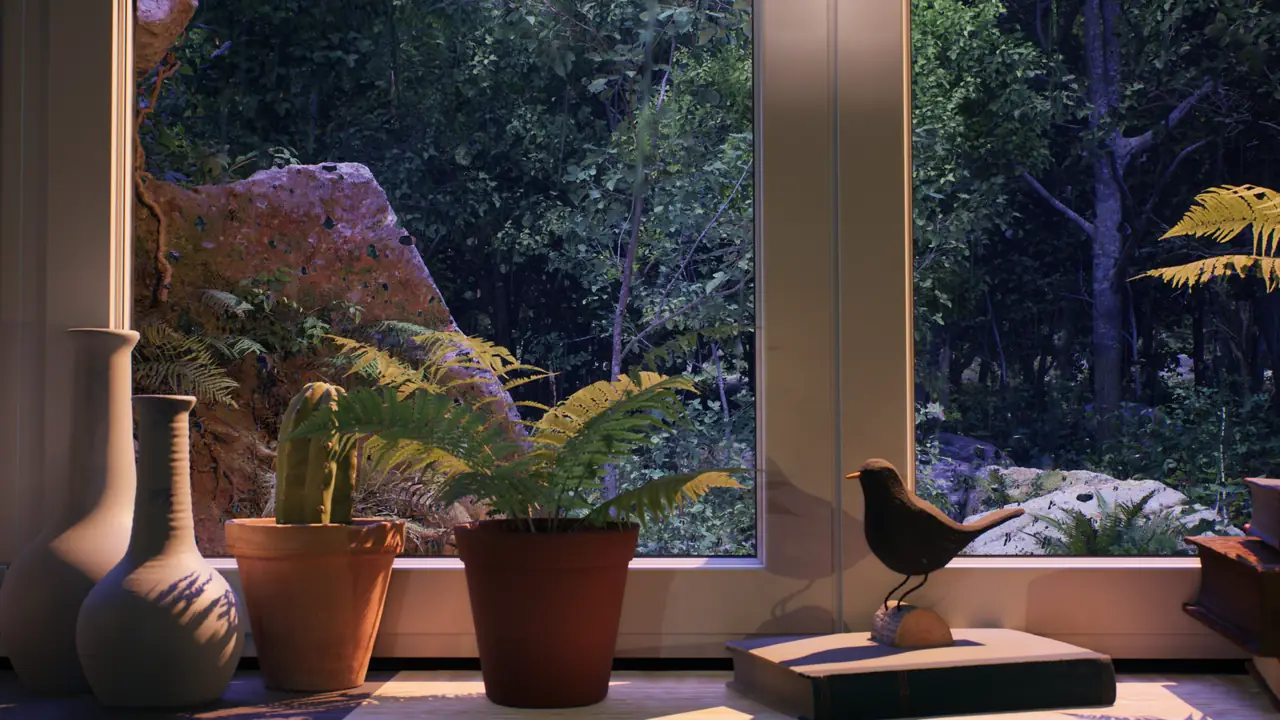
Warm layered light
Use several controllable light sources at different heights. Bedside lamps, wall lights and concealed light create a more comfortable evening composition than one bright ceiling fixture.
Hotel room ambience
A cozy guest room feels warm, composed, and easy to settle into from the moment the door opens. Lighting, materials, sound and slow visual movement can work together to create that atmosphere without making the room feel staged.
Comfort cues
Cozy does not simply mean dark or heavily decorated. A comfortable hotel room offers warm light, tactile materials, visual order and places where the guest can settle quickly.
The room should also change naturally from arrival to evening. Brighter task lighting can help guests unpack and orient themselves, while softer bedside and ambient light supports reading, conversation and rest.
Build the atmosphere
Use several controllable light sources at different heights. Bedside lamps, wall lights and concealed light create a more comfortable evening composition than one bright ceiling fixture.
Linen, wool, wood, soft upholstery and a restrained mix of textures make the room feel warmer without adding visual clutter.
Reduce mechanical noise and let guests choose whether they want rain, soft room ambience or nature sounds. Silence should remain an easy option.
A stable ambience scene can give an idle screen a calmer role. Avoid fast cuts, bright interfaces and content that demands continuous attention.
Evening mode
During the evening, a television often becomes the brightest object in the room. A low-brightness virtual window scene can make it feel more integrated, especially when the colors relate to the lamps, curtains and bedding.
Rainy city windows, slow snow and warm interior views create a protected mood. Forest and ocean scenes feel more open. The guest should be able to choose the scene, mute it or return to regular viewing without friction.
Choose by mood
Use rain, candlelight or a quiet warm interior for boutique rooms, winter stays and evenings designed around reading or rest.
Use forest and soft daylight scenes with wood, green accents and natural fabrics for wellness-led or rural properties.
Use ocean horizons and gentle water movement for coastal rooms, suites and spaces intended to feel broad and calm.
Use distant city light, reflections and restrained street movement for modern hotels without making the screen feel like regular TV.
Use slow snowfall and warm interior colors for mountain hotels, seasonal stays and rooms with heavier textiles.
Guest bedroom examples
Use clear practical lighting first, with a calm screen scene already available but not dominant. The guest should understand the room immediately.
Combine a focused reading lamp with rain, forest or snowy window ambience at low brightness and optional sound.
Lower overhead light, keep warm lamps on and use a slow city, candlelit or rain scene to reduce the visual intensity of the screen.
Choose forest, ocean or soft daylight ambience and brighter room lighting so the atmosphere feels fresh rather than nocturnal.
Plan the setup
Explore the main professional page, compare screen options, browse the video library or discuss a specific venue.
See the main overview for guest rooms, treatment spaces, lounges and waiting areas.
Compare a TV, monitor and projector wall, then plan brightness, placement and sound.
Browse rain, forest, ocean, snow, city and other long-form window scenes.
Describe the venue, room type and intended use to Window Ambience Studio.
FAQ
Practical ways to create a warm guest room atmosphere without making it feel too styled or artificial.
Warm layered lighting, tactile materials, visual order, comfortable seating and good control of sound all contribute. The room should offer both practical brightness and a softer evening mode.
Rain, snowy windows and quiet city scenes suit sheltered evening moods. Forest and ocean scenes work well when the property wants a fresher or more restorative atmosphere.
Yes, if it offers an optional slow scene at restrained brightness instead of becoming the strongest visual object in the room. Guests should retain simple control over playback and sound.
Use several warm light sources, pale or mid-tone surfaces and targeted contrast. Cozy rooms need depth and softness, not necessarily low overall visibility.
Window Ambience Studio
Use calm screen-based visuals as one part of a considered hotel, spa or waiting-room interior.