
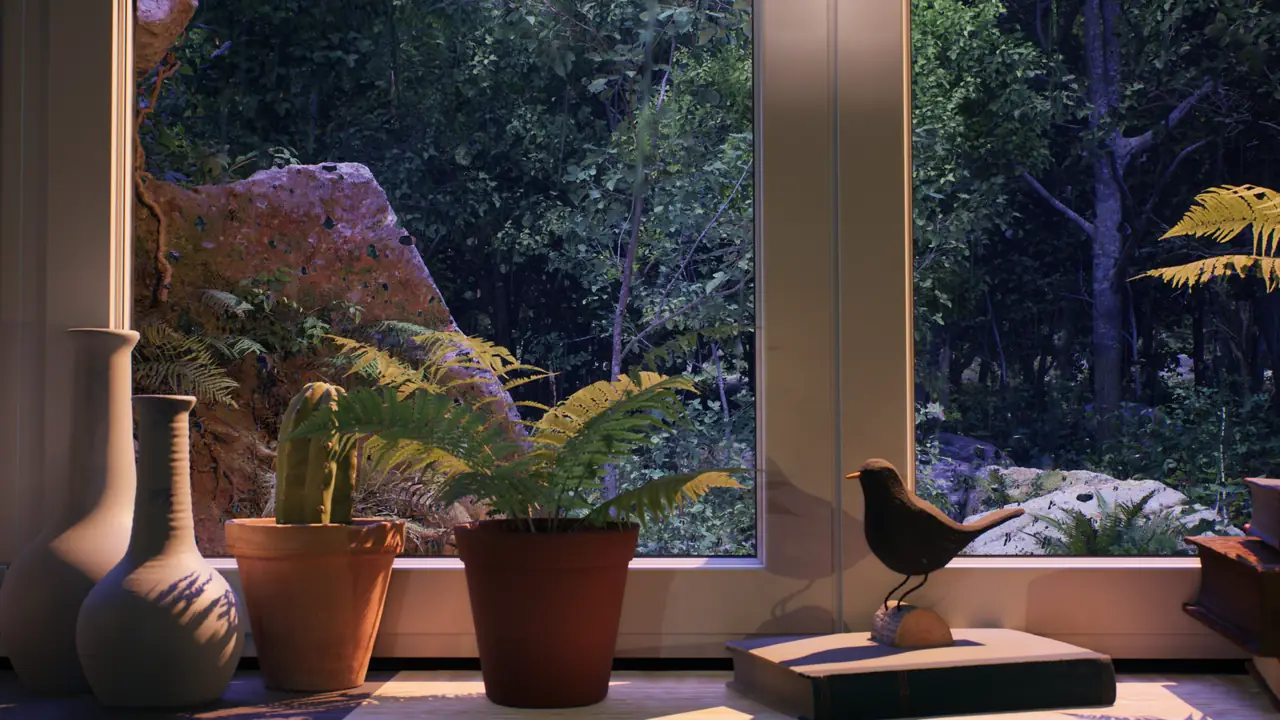
Lighting
Replace harsh single-source light with warm, layered and dimmable lighting. Bedside lamps and indirect light can change the evening experience without altering the room layout.
Low-disruption hotel upgrades
A hotel room can feel more thoughtfully designed without construction work. Coordinated lighting, textiles, sound and visual ambience can improve the arrival experience and evening mood while using much of the room’s existing equipment.
The constraint
Full refurbishment can take rooms out of service, create noise and require coordination across furniture, electrical work, finishes and operations. Not every property is ready for that level of intervention.
A lighter upgrade should focus on what guests notice quickly: the quality of light, the condition and feel of textiles, the organization of the room, the sound environment and whether the screen supports or weakens the atmosphere.
Low-effort improvements
Replace harsh single-source light with warm, layered and dimmable lighting. Bedside lamps and indirect light can change the evening experience without altering the room layout.
Fresh curtains, cushions, throws and bed runners can introduce color and texture quickly. Choose a restrained palette that works with the fixed finishes already in place.
A subtle, consistent scent can reinforce the character of the room, but it should remain light and account for guest sensitivities and operational standards.
Reduce equipment noise where possible and provide a quiet audio option. Soft rain, room ambience or nature sounds should never be forced on the guest.
Use artwork, styling and the existing TV as part of one visual composition instead of treating the screen as an isolated black rectangle.
Screen-based atmosphere
Long-form ambience video can turn an idle display into a calm room feature without repainting or installing a physical false window. Rain, forest, ocean and snowy views offer different moods while the hardware remains the same.
The result depends on restraint. Use a low brightness setting, choose videos with stable framing and let guests control playback. The visual should support the room without making the screen feel like the main feature.
Use existing equipment
Offer an optional ambience mode or clear instructions for opening a curated video. Preserve normal television functions and avoid complicated login steps.
Replace rolling news or idle menus with a calmer visual during selected periods, provided operational information remains easy to find.
Use projection for suites, reading lounges or wellness areas where a larger visual surface justifies the additional setup and maintenance.
Before and after
Lower the color temperature, add a bedside pool of light, introduce one textured textile and use a snowy or rainy window scene for a protected evening mood.
Reduce screen brightness, remove visible interface clutter and select a long forest or city ambience that relates to the room palette.
Use a mirror to reflect a lamp or virtual window, keep furniture sightlines open and choose an ocean or forest scene with visible depth.
Plan the setup
Explore the main professional page, compare screen options, browse the video library or discuss a specific venue.
See the main overview for guest rooms, treatment spaces, lounges and waiting areas.
Compare a TV, monitor and projector wall, then plan brightness, placement and sound.
Browse rain, forest, ocean, snow, city and other long-form window scenes.
Describe the venue, room type and intended use to Window Ambience Studio.
FAQ
Low-disruption ideas for improving rooms while keeping them operational.
Begin with lighting and textiles because they affect the room immediately and can often be changed without construction. Then review artwork, clutter, sound and how the TV looks when it is not being watched.
Yes. The TV can offer an optional long-form ambience scene for arrival, reading or evening use. Keep controls simple, brightness restrained and regular television functions available.
No. They are one low-friction visual option. Worn furniture, poor lighting, maintenance issues and ventilation still need direct attention.
Test the idea in a small number of rooms or one lounge, observe how staff use it and how guests respond, and compare different brightness, placement and scene choices before expanding the setup.
Window Ambience Studio
Use calm screen-based visuals as one part of a considered hotel, spa or waiting-room interior.