
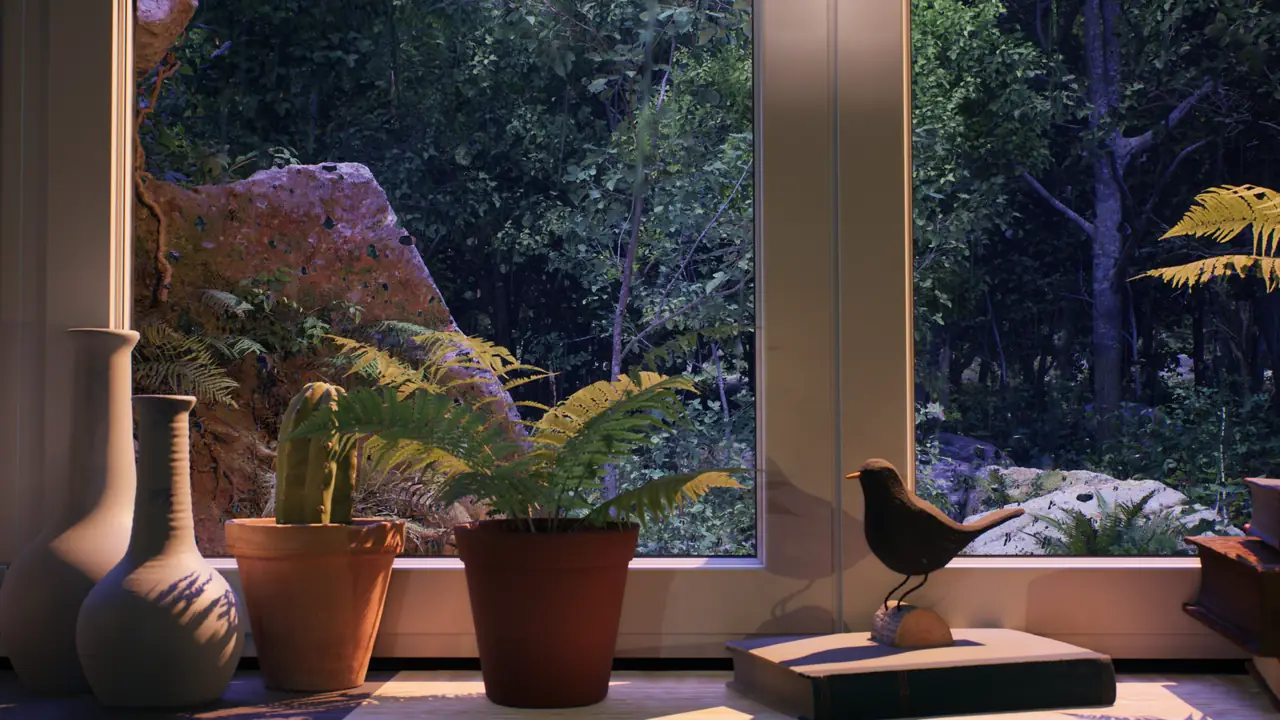
Forest
Green depth and soft movement suit massage rooms, relaxation areas and nature-led wellness brands. Pair the scene with wood, linen and warm indirect lighting.
Spa ambience ideas
Visual ambience helps create a calm, consistent spa experience before, during and after a treatment. Slow nature scenes, warm light and low-distraction movement can support the room without competing for attention.
Visual comfort
A spa experience begins before the treatment itself. Guests notice the pace of the reception area, the light in the corridor, the materials in the room and whether visible screens feel calm or intrusive.
Visual ambience works best when it supports that sequence quietly. Stable framing, slow motion and low contrast help the eye settle. Fast edits, bright menus and conventional television programming usually create a more distracting rhythm.
Mood directions
Green depth and soft movement suit massage rooms, relaxation areas and nature-led wellness brands. Pair the scene with wood, linen and warm indirect lighting.
Rain creates privacy and a sheltered mood. It can work well for evening treatments or quiet rooms where the guest should feel removed from outside activity.
A calm horizon can give an enclosed room a broader visual field. Use gentle water and restrained audio rather than dramatic surf.
Warm candlelight can support a comforting winter mood in lounges and recovery spaces. Keep the screen brightness low so it feels integrated.
Slow snowfall creates a quiet, protected atmosphere for mountain spas, seasonal treatments and warm interior concepts.
Enclosed spaces
Windowless spa and massage rooms benefit from more than one light source. Wall washing, concealed light and a small pool of task light allow the practitioner to work while preserving a softer atmosphere for the guest.
A virtual window on a monitor, TV or projector wall can add depth to one side of the room. Position it where it can be seen naturally without shining directly into the guest’s eyes, and use the projection setup guide to balance brightness with the rest of the space.
Guest journey
A composed nature or rain scene can introduce the spa’s visual language while guests check in. Keep it secondary to clear wayfinding and staff interaction.
Long-form visuals with minimal cuts help avoid the repetitive attention pull of television. Forest, water and soft city rain can work as moving artwork.
Choose the least distracting scene and lower the brightness. The visual should support breathing and stillness rather than become something the guest feels expected to watch.
A larger ocean, forest or snowy view can make the room feel like a quiet escape before guests return to brighter public areas.
Setup recommendations
Match the display to the ambient light. A screen that is much brighter than the room will feel like equipment rather than part of the interior.
Select long-form scenes or playlists so staff do not need to interrupt the room between treatments to restart content.
Use low volume, mute playback or coordinate the video with the spa’s existing sound system. Avoid competing audio layers.
Route cables cleanly, remove interface overlays and avoid leaving video recommendations or menus visible to guests.
Plan the setup
Explore the main professional page, compare screen options, browse the video library or discuss a specific venue.
See the main overview for guest rooms, treatment spaces, lounges and waiting areas.
Compare a TV, monitor and projector wall, then plan brightness, placement and sound.
Browse rain, forest, ocean, snow, city and other long-form window scenes.
Describe the venue, room type and intended use to Window Ambience Studio.
FAQ
Practical considerations for treatment rooms, massage rooms and relaxation spaces.
Forest, gentle rain and calm ocean scenes are useful starting points because they offer slow movement and recognizable natural depth. The best choice should still match the spa’s materials, lighting and treatment style.
Use layered warm lighting, natural textures, uncluttered surfaces and one calm focal point. A low-brightness virtual window scene can add depth, but it should complement rather than replace good ventilation and room lighting.
Not necessarily. Many treatment rooms work better with muted visuals or audio managed by a separate spa sound system. If the video sound is used, keep it subtle and test it from where the guest will be lying.
Yes. Long-form, low-distraction videos can work well in waiting and relaxation areas. For public or commercial use, review the platform terms and contact Window Ambience Studio about the intended setup.
Window Ambience Studio
Use calm screen-based visuals as one part of a considered hotel, spa or waiting-room interior.